Chile Colorado
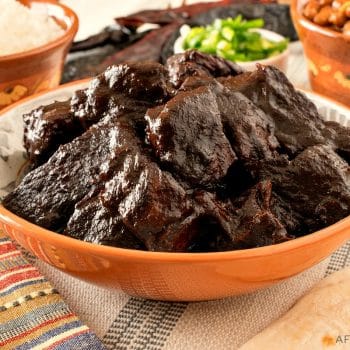
Our Chile Colorado recipe has tender chunks of beef smothered in a deliciously rich chile sauce.
- Prep Time: 20 minutes
- Cook Time: 3 hours
- Total Time: 3 hours 20 minutes
- Yield: 6 servings 1x
- Category: entree
- Method: braised
- Cuisine: Mexican
Ingredients
4 dried mild chili peppers such as California, stems removed
4 dried mild chili peppers such as Pasilla or Anchos, stems removed
*2 dried hot chili peppers such as New Mexico or Guajillos, stems removed (*see notes below)
2 1/2 cups chicken stock, at a boil (boxed or canned is fine)
3 pounds chuck cut into 2” or larger cubes
4 tablespoons vegetable oil, divided
1/2 teaspoon kosher salt for beef
1/2 teaspoon freshly ground black pepper for beef
2 quarts beef stock (boxed or canned is fine)
2 bay leaves
2 cups yellow onion, diced
3 tablespoon fresh garlic crushed
2 tablespoons dried oregano
2 teaspoons kosher salt
1 teaspoon ground cumin
2 tablespoons tomato paste
4 tablespoons molasses
2 tablespoons red wine vinegar
Scallions chopped for serving
Cilantro for serving
6” flour tortillas for serving
Rice and beans, for serving as sides
Instructions
- Place all three chili peppers in a medium pan big enough to hold them laying flat and cover with the boiling hot chicken stock. Cover and let sit covered for 30 minutes.
- While the peppers are rehydrating, place a medium to large Dutch oven over a burner set to high heat along with two tablespoons of the oil.
- Salt and pepper the beef cubes and once the oil is hot, add half the beef not touching each other and sear for 3-4 minutes on each side until nicely browned and seared. Remove to a bowl then add the remaining oil and once hot, sear the remaining beef.
- Pour the first batch of beef back into the pan and add the beef stock and bay leaves and bring to a boil. Lower to a medium simmer and cook uncovered for one hour. A medium simmer should be closer to a low boil and less like a simmer. If you don’t have the heat high enough, not enough of the liquid will evaporate and the finished sauce will be thin.
- As soon as the beef is cooking, the peppers should be ready for the next step.
- Add onions, garlic, oregano, salt, cumin and tomato paste to the pan with the peppers (remove seeds from the peppers first if you prefer) and cook for 15 minutes on medium heat, uncovered. Stir in the molasses and vinegar after the 15 minutes. Place the whole pan full of peppers and onions in a blender and puree until smooth with no lumps. (I tried an immersion blender and found the regular blender to be easier and quicker). Set this aside until the beef reaches one hour of cooking.
- After the beef has cooked for one hour, stir in the pepper puree and cook uncovered for another hour at a medium simmer using a heat diffuser under the pan and stirring occasionally to make sure the beef doesn’t stick to the bottom. A medium simmer should be closer to a low boil and less like a simmer. If you don’t have the heat high enough, not enough of the liquid will evaporate and the finished sauce will be thin. Stir often so the mixture does not stick, particularly towards the end when it gets thick.
- After the two hours, test the beef for tenderness and only if needed, cook a little bit longer. The sauce will be dark brown, thick and creamy once done.
- Place a cover over the pot and let it sit off of the heat for 30 minutes while you prepare the beans and rice if serving along with scallions, cilantro and flour tortillas. This step is important so even if you are not serving with beans and rice, let the meat sit covered for 30 minutes off heat.
Notes
*Dried chiles made from hot peppers can make or break a dish like this. If you’d like a spicier dish, use both hot peppers with the seeds.If you like it less spicy, remove the seeds from the chiles after soaking and discard. If you’d prefer a very mild dish, remove seeds and only use one of the hot peppers.
Generally speaking, if the peppers in the package are dried and somewhat pliable like a raisin or prune, that is what you’ll want to use. If they are old and dry like paper, keep looking for a fresher package. That said the California peppers are a bit dry and papery under normal conditions and the other two should be somewhat soft.
Find it online: https://www.afamilyfeast.com/chile-colorado/
